Trusted Plumbing Company for Complete Plumbing Solutions
Knowing When to Contact a Professional: Critical Warnings for Home Maintenance
Property owners often overlook minor indicators that signal plumbing issues. Persistent slow drains, dripping faucets, and unexplained water stains may seem trivial, but they can suggest deeper problems. Ignoring these signs can lead to substantial costs and increased water bills. Understanding when to contact a plumber is vital for keeping a properly operating plumbing system. What happens when these issues increase? The consequences might be more severe than one anticipates.
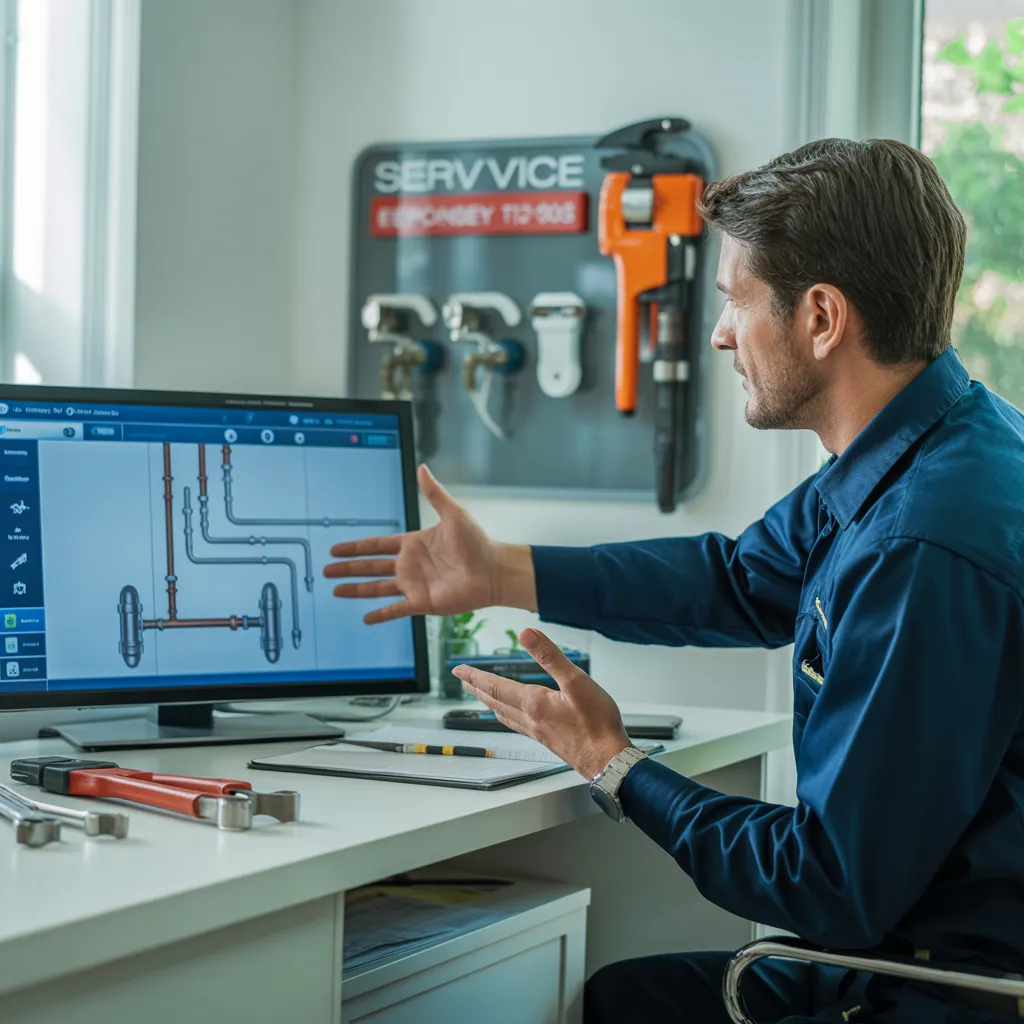
Typical Plumbing Malfunctions You Should Never Dismiss
When homeowners encounter plumbing malfunctions, they often underestimate the likelihood of damage of the problems. Common plumbing issues such as slow drains, dripping faucets, and running toilets may seem insignificant initially, but they can lead to major complications over time. A slow drain, for instance, can indicate buildup in the pipes, which may ultimately cause a clog. Dripping faucets not just lose water but can also indicate failing components or deteriorating fixtures. Running toilets can squander hundreds of gallons of water monthly, resulting in elevated costs. Ignoring these signs can lead to more extensive repairs and greater expenses. Homeowners should be aware of these typical issues and fix them promptly. Consulting a qualified plumber can give answers that ward off additional problems, ensuring the durability of the plumbing system and the overall integrity of the home.
Indicators of Hidden Leaks: How to Identify Them
Secret leaks can create a significant threat to a home's plumbing system, often remaining undetected until they lead to extensive damage. Homeowners should keep watch for multiple signs that indicate a hidden leak. One frequent clue is unexpected spikes in water bills, which may indicate water loss. Additionally, moist patches on floors, ceilings, or walls can reveal water seepage. Mold development is another vital warning, as it typically grows in damp environments caused by leaks. It is also important to check for water gathering in basements or crawl spaces, which can indicate a considerable leak. Homeowners should heed for the noise of water running when all fixtures are turned off, as this can indicate a concealed leak. Finally, shifts in water pressure during use may also indicate hidden problems. Prompt recognition of such warnings can enable ward off significant expenses and major damage.
What That Unpleasant Odor Indicates About Your Plumbing System?
An unpleasant odor coming from your plumbing system can point to multiple problems needing quick action. Often, a foul smell might suggest a blocked drain, where food debris and refuse build up, causing bacterial growth. This not only creates bad smells but may also pose potential health risks.
Another source of bad odors may be a dry trap. If a sink or floor drain hasn't been used for some time, the water in the trap can evaporate, allowing sewer gases to escape into the home. Additionally, a more serious issue could involve a broken sewer line, which can lead to significant structural damage and health risks.
Property owners must not overlook these odors, since they frequently indicate issues that might worsen if not dealt with. Swift action from a qualified plumber can assist in discovering the underlying cause and avoiding additional problems.
Grasping Variations in Water Pressure
The causes of water pressure variations can frequently confuse property owners, since these shifts can reveal multiple plumbing problems. An abrupt decline in water pressure might imply a rupture in the system, especially in concealed pipes. On the other hand, an unforeseen rise could point to a faulty pressure regulator or a problem with the city supply.
Regularly varying pressure levels may point to more systemic problems, such as corroded pipes or mineral buildup. Homeowners should pay attention to the consistency of water flow; if it becomes erratic, it may be time to investigate further.
Moreover, variations in water pressure can impact equipment and installations, causing diminished output or potential deterioration as time passes. Understanding these warnings enables residents to manage arising difficulties quickly, circumventing substantial maintenance and guaranteeing a sturdy plumbing arrangement. When undecided, talking to a plumber can deliver understanding and suitable fixes.
Peculiar Noises: What Your Pipes Are Saying?
Have homeowners ever paused to listen to the strange noises emanating from their pipes? These sounds often serve as important indicators of underlying plumbing issues. Gurgling noises may suggest a blockage in the drain, while banging sounds, known as water hammer, can indicate high water pressure or loose pipes. A hissing noise might point to a leak, which, if left unaddressed, could lead to more significant damage. Whistling or screeching can signal issues with the water valve or faucet. Each of these sounds is a form of communication from the plumbing system, urging homeowners to investigate further. Ignoring these warnings could result in costly repairs and inconvenience. Therefore, recognizing and addressing these strange noises promptly can save time, money, and effort in the long run. Homeowners should remain vigilant and consider calling a plumber when these unsettling sounds become frequent or disruptive.
Recognizing Water Damage Before It's Too Late
Water damage can go unnoticed before it creates major problems. Homeowners should stay vigilant for mysterious discoloration, mold indicators, and musty odors, as these suggest hidden damage. Spotting these signs promptly prevents key resource costly repairs and further damage.
Unfamiliar Water Patches
Mysterious water marks on walls and ceilings can act as a silent warning of underlying plumbing issues. These marks may manifest as dark patches or discoloration, often indicating leaks from plumbing or roof damage. Homeowners must remain attentive to the size, shape, and location of these marks, as they may indicate the severity of the problem. When stains grow larger or continue, it could indicate a more serious issue that requires professional intervention. Overlooking these indicators can result in additional harm, including structural problems or increased repair costs. Taking prompt action is crucial; calling a plumber can assist in locating the source of the leaks and stop further issues, guaranteeing the home stays secure and structurally intact.
Mold Development Signs
The presence of water marks can often lead to greater issues, like mold development. Homeowners must stay alert for indicators that mold may be taking hold. Signs include discolored patches on floors, walls, or ceilings, typically showing in green, black, or white tones. Furthermore, a damp or humid environment may worsen mold growth, especially in spaces with inadequate airflow, such as basements and bathrooms. Pay attention to any peeling paint or wallpaper, since these may indicate underlying moisture issues. Homeowners should also be aware of condensation accumulating on windows or surfaces, which may indicate excessive humidity levels. Addressing these indicators promptly is essential to stop further damage and guarantee a safe living environment.
Musty Odors Present
A pervasive mustiness may act as an early warning sign of concealed water problems inside a home. If residents notice these smells, it often indicates moisture buildup in areas like basements, attics, or behind walls. Musty smells may arise from mold growth or damp materials, both of which signal the necessity for prompt action. Overlooking these smells may result in more significant structural issues and health risks. Residents should examine the source of the smell, looking for leaks, condensation, or water stains. If the problem persists or is beyond their expertise, calling a plumber is necessary. Professional assistance can help identify and resolve the underlying issue, guaranteeing a secure and healthy home.
Frequently Asked Questions
What Typically Costs Are Associated with Hiring a Plumber?
Typically, engaging a plumber falls between $45 and $200 per hour, depending on elements such as location, work intricacy, and the plumber's experience. Supplemental costs may be incurred for after-hours service or specialized services.
Is It Better to Address Plumbing Problems Myself or Hire a Plumber?
Whether you need to handle plumbing issues independently or call a plumber relies on how difficult the job is. Minor work might be manageable, but substantial concerns typically need professional experience to avert further damage and provide protection.
Which Emergency Plumbing Services Operate 24/7?
Emergency plumbing services provided 24/7 commonly feature leak resolution, drain clog removal, pipe burst fixing, and water heating problems. These services ensure swift support during plumbing crises, deterring further damage and restoring performance quickly.
How Do I Avert Preventable Plumbing Concerns?
Avoiding plumbing issues demands routine upkeep. It includes looking for leaks, maintaining drainage, avoiding clogs by taking care with refuse, and booking inspections with professionals to address foreseeable challenges actively.
Are There Assurances on Plumbing Projects?
Many plumbing services organizations include guarantees on projects, promising work are secured for a fixed timeframe. These assurances deliver clients security, shielding from potential future problems related to recent plumbing service.